marketing
Is Ranking #1 Still the Goal of SEO?
Published by Hang Thanh Le · September 13, 2026
Google search is no longer just a list of links. AI Overviews can answer users directly, potentially reducing the need to visit a website. If SEO has traditionally focused on organic rankings, then what should marketers actually optimise for?
From Ranking to Search Visibility
We know SEO as improving organic visibility through technical performance, content relevance and authority, while SEM integrates SEO and PPC into a continuous cycle of promote, engage, measure and optimise. This model is useful, but AI search exposes a limitation: it assumes search success can ultimately be evaluated through engagement and measurable clicks, while AI Overviews can provide visibility without generating a website visit.
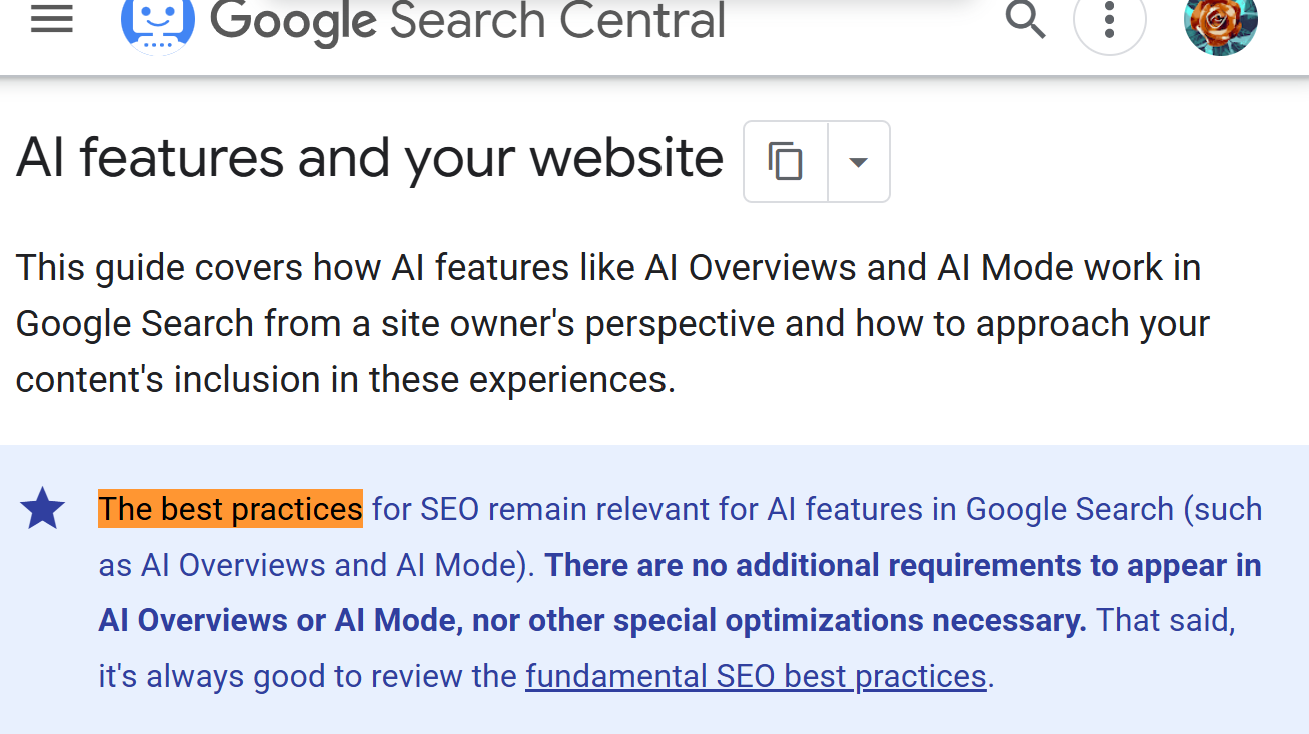
Google Search Central, Google’s official guidance for website owners, states that existing SEO fundamentals remain relevant to AI Overviews and AI Mode. Content still needs to be crawlable, useful, reliable and technically accessible. This suggests that AI has not made SEO irrelevant; instead, it is changing what SEO performance means.
2026 Reality Check
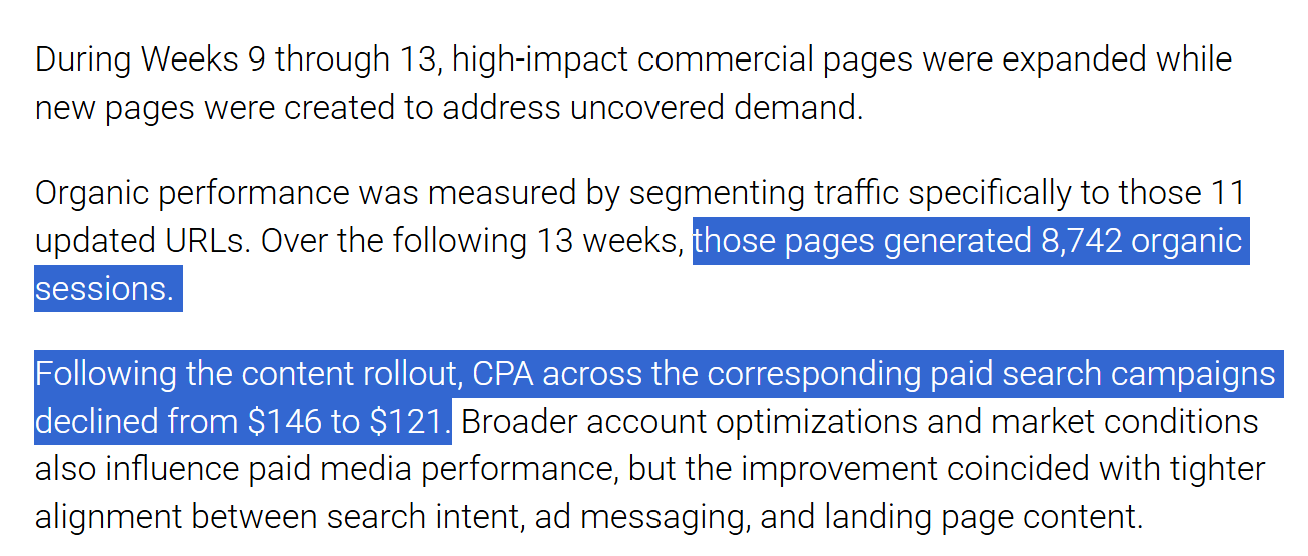
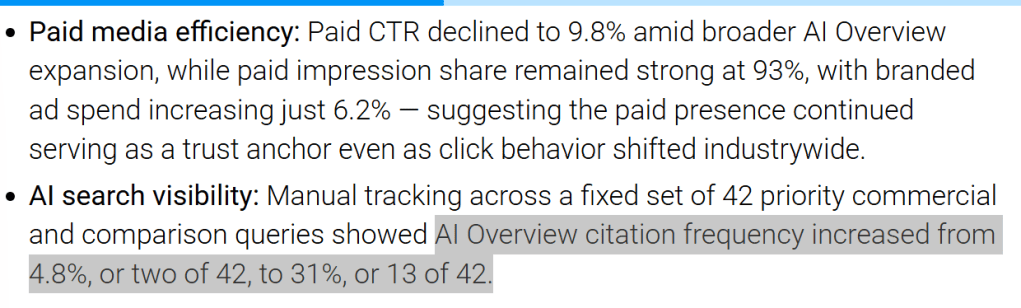
A recent August 2026 case study from Search Engine Land, a specialist search-marketing publication, illustrates this shift. An education SaaS company coordinated SEO and PPC over 26 weeks. PPC search-term data identified high-intent content gaps, which were developed into 11 organic landing pages. These generated 8,742 organic sessions, while paid-search CPA fell from $146 to $121. AI Overview citation frequency for priority queries also increased from 4.8% to 31%.
The important point is not simply that “SEO worked”. PPC intelligence helped identify what SEO should create. This demonstrates Week 8’s view of SEM as an integrated, data-driven system rather than two isolated channels.
However, the case is not proof of causation. Search Engine Land notes that broader account optimisation and market conditions also influenced CPA. The company is anonymised and there is no control group. The source is useful as a recent industry case, but it should therefore be treated as evidence of a possible strategy, not a universal formula.
So What Should SEO Optimise For?
Nagpal and Petersen (2021), published in the peer-reviewed Journal of Retailing, show that keyword value is not fixed. It depends on how relevance and authority interact. Their own illustrative comparison makes this concrete: a high-authority site (cdc.gov) and a low-authority site (malaria.com) writing content on the same topic saw opposite results. The high-authority site earned over 1,000% more expected organic clicks by targeting a broad term (“Malaria”), while the low-authority site earned roughly 30% more clicks by targeting a narrow, specific term instead. Ranking #1 was never really the constant goal here: the right keyword target already depended on what authority a site had before AI search entered the picture.
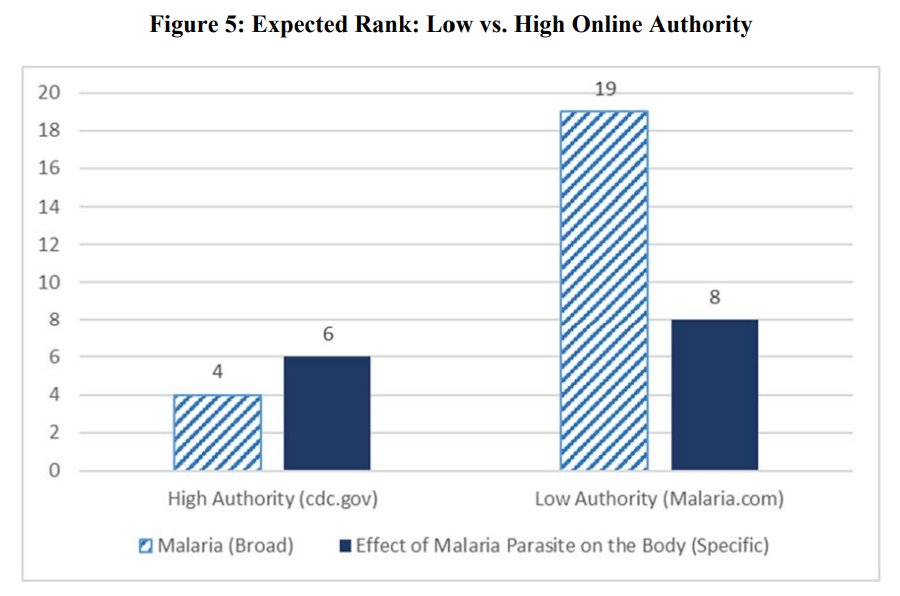
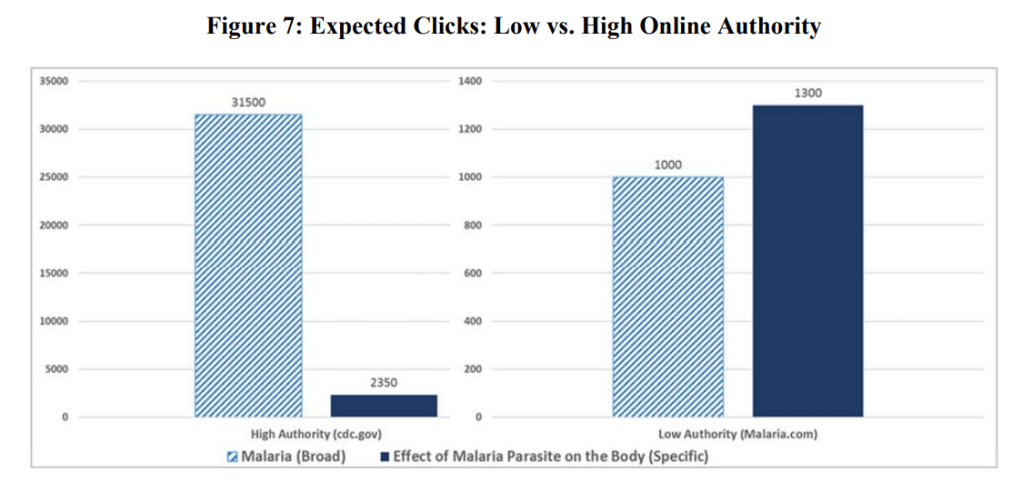
This becomes even more important when search engines increasingly generate answers themselves: a page with strong authority but weak intent-match, or vice versa, is exactly the kind of content least likely to be cited in an AI Overview at all.
Therefore, I would argue that SEO should move from simply “winning the ranking” to “winning the search moment”. Ranking still matters, but marketers should also consider whether their content is relevant enough to satisfy intent, authoritative enough to be surfaced, and useful enough to contribute to AI-generated answers.
Takeaway
AI search does not kill SEO. It challenges marketers to redefine what SEO success looks like. The goal is no longer only to rank #1 and earn a click. It is to build search visibility, relevance and authority across the evolving search experience, while using PPC and other search data to continuously improve what the audience sees.


Leave a Reply