MARKETING
Smart or Creepy? Rethinking Mobile Marketing in the AI Era
Published by Hang Thanh Le · 6 Octobers, 2026
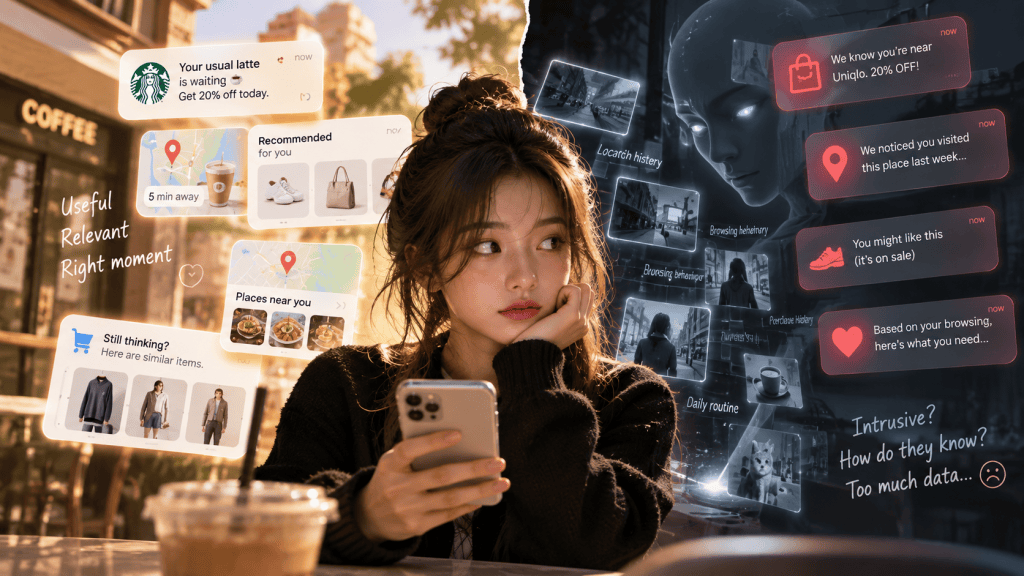
Imagine your phone recommending exactly what you need before you even search for it. Is that smart marketing, or does it feel a little creepy? As AI becomes embedded in mobile experiences, I argue that the real challenge is no longer whether brands can personalise interactions, but whether that personalisation creates value for the customer.
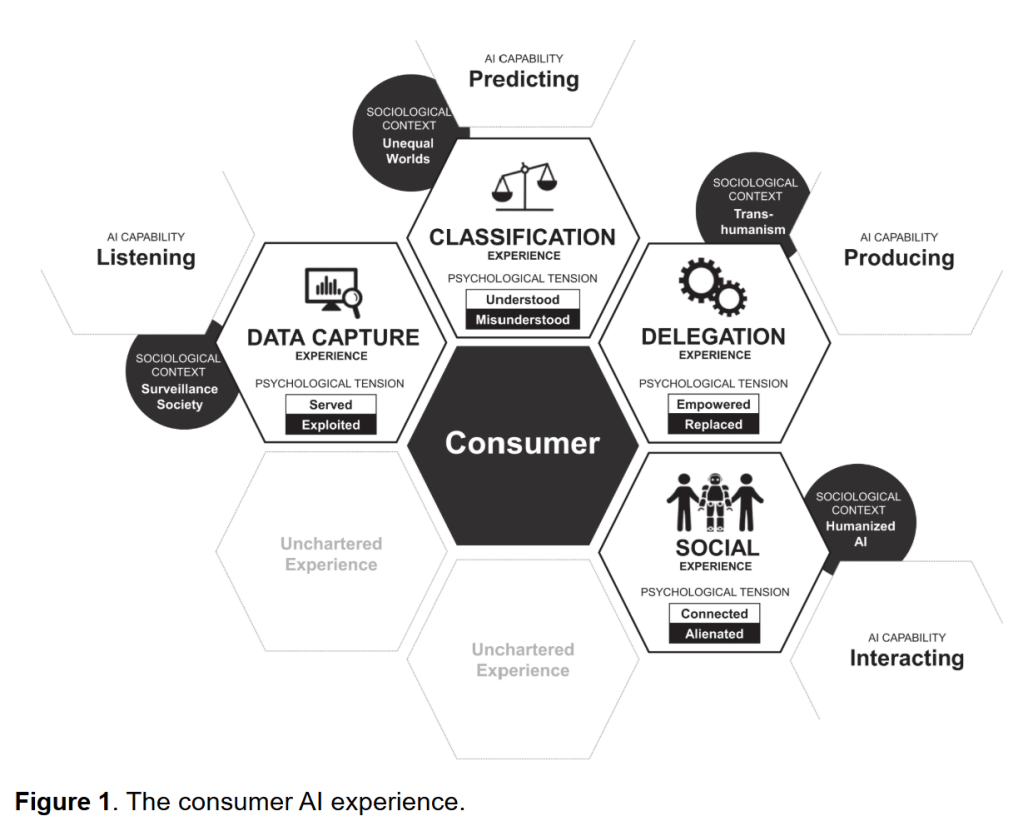
Puntoni, Reczek, Giesler and Botti (2021), writing in the Journal of Marketing, identify four ways consumers experience AI: data capture, classification, delegation and social interaction. Their framework highlights an important tension: AI can make consumers feel understood and served, but it can also make them feel misunderstood or exploited. This suggests that AI should not be evaluated only by technical accuracy. AI can be technically correct but experientially creepy.
Kaplan (2012) provides a useful framework for understanding when mobile personalisation becomes valuable or intrusive. His classification considers two dimensions: the degree of consumer knowledge and the trigger of communication. When brands have high consumer knowledge, communication can be highly personalised; however, when the brand also initiates the interaction, it falls into Kaplan’s “Victims” quadrant. In contrast, when consumers initiate the interaction themselves, personalised communication falls into the “Patrons” quadrant.
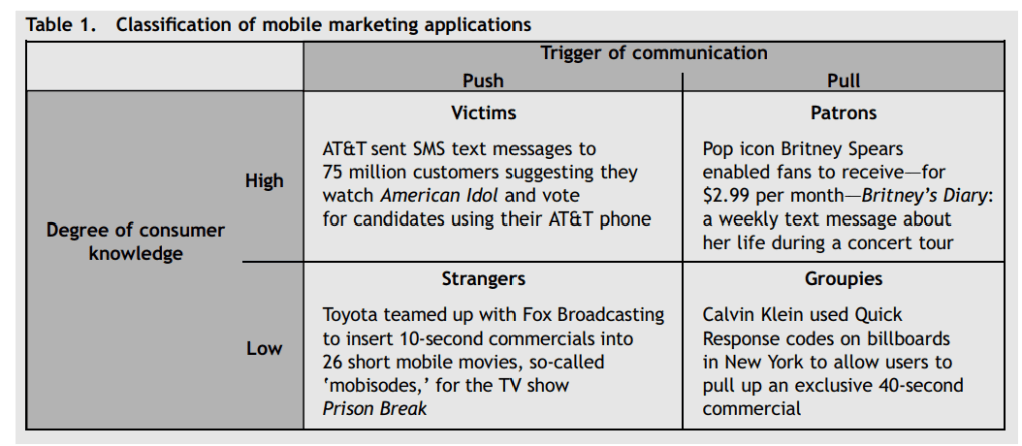
This distinction becomes particularly important when AI continuously increases what brands know about their customers. More data can make recommendations more relevant, but it can also make brand-initiated communication feel increasingly intrusive. Kaplan’s (2012) 4 I’s offer another useful principle: mobile marketing should be individualised around user preferences while being integrated into users’ lives rather than becoming a nuisance.
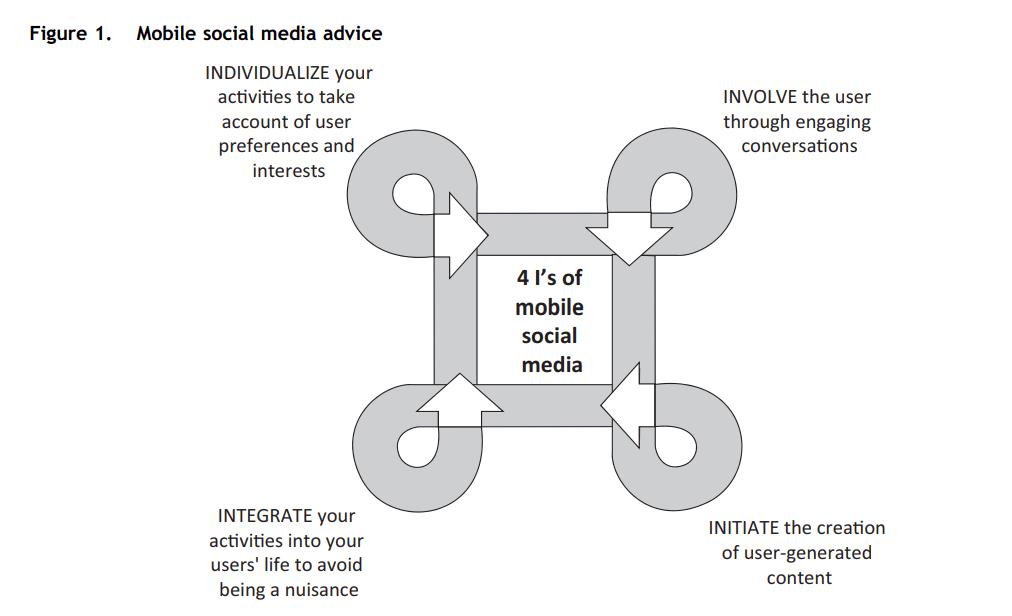
Together, these ideas suggest that effective personalisation is not about knowing as much as possible about the customer. It is about knowing when that knowledge should and should not be used. This is where the customer experience of AI becomes critical.
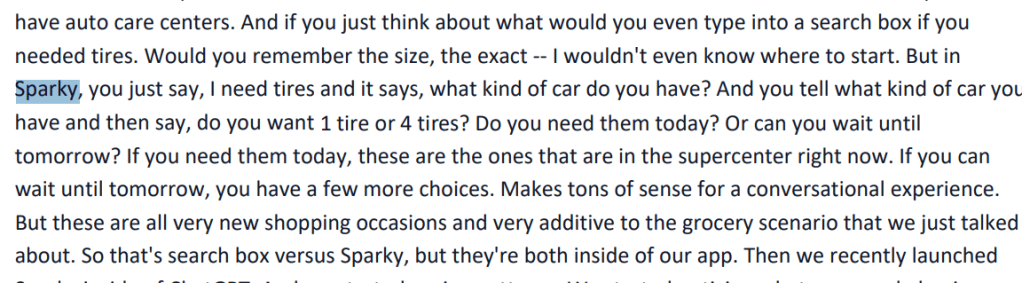
A recent example is Walmart’s AI-powered shopping assistant, Sparky. In a 2026 Morgan Stanley conference, Walmart explained how Sparky operates inside its mobile app. Rather than requiring customers to know exactly what to search for, a customer can simply say they need tyres. Sparky can ask what type of car they have, how many tyres they need and whether they need them immediately, then use local inventory to narrow the options.
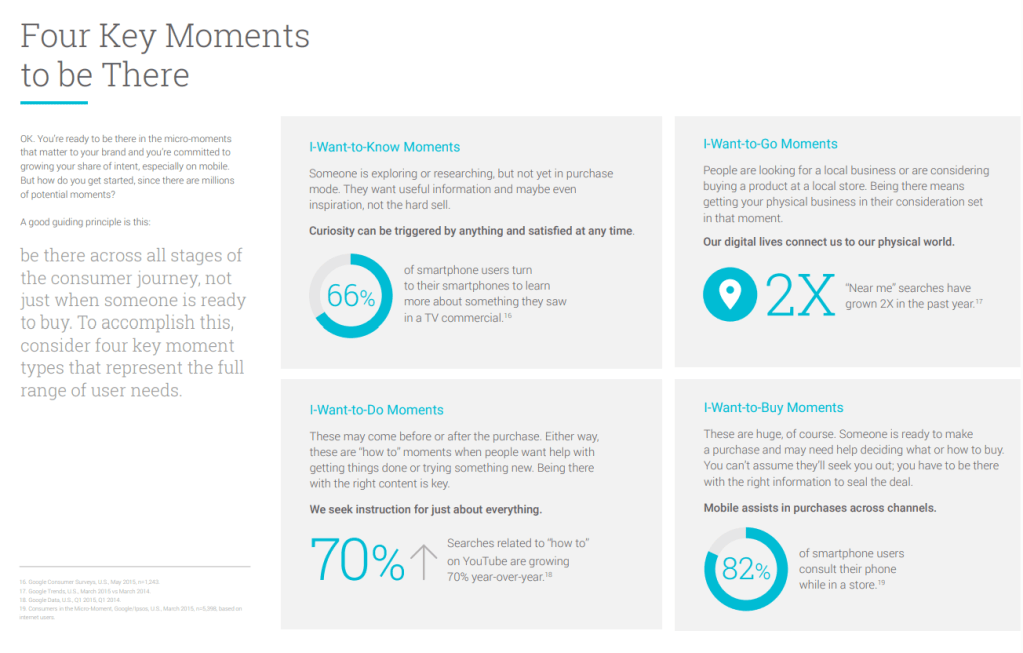
This is a strong example of AI improving an I-want-to-buy micro-moment. Google’s micro-moments framework describes these interactions as intent-rich moments when consumers turn to their smartphones to know, go, do or buy something. Sparky reduces search effort and decision friction by giving customers relevant information when they need it.
However, the same capability creates the “creepy” side of the equation. Walmart has stated that its AI experiences can become increasingly personalised as customers interact with them. The more data AI captures, the more accurately it can understand a customer but the more customers may also feel that the brand knows too much about them. This is where personalisation can shift from “You understand me” to “How do you know that about me?”
Takeaway
Therefore, I would redefine mobile marketing optimisation in the AI era. Optimisation should not mean maximising personalisation or making the most predictions possible. It should mean delivering the right value to the right person, in the right context, at the right moment, with the right level of intervention.
The smartest mobile marketing may not be the one that predicts the most. It may be the one that knows when not to interrupt.


Leave a Reply